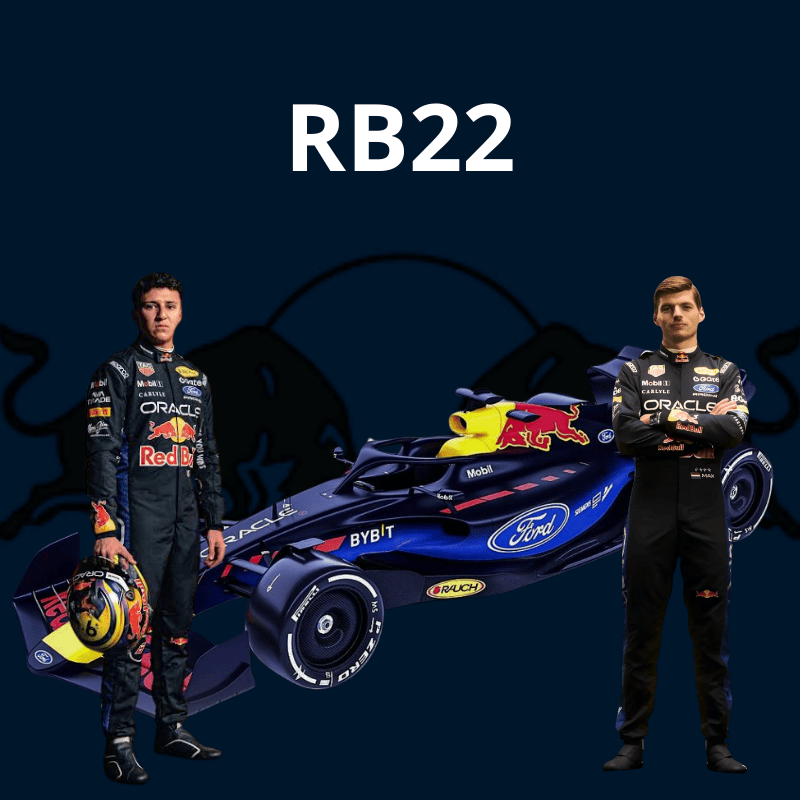

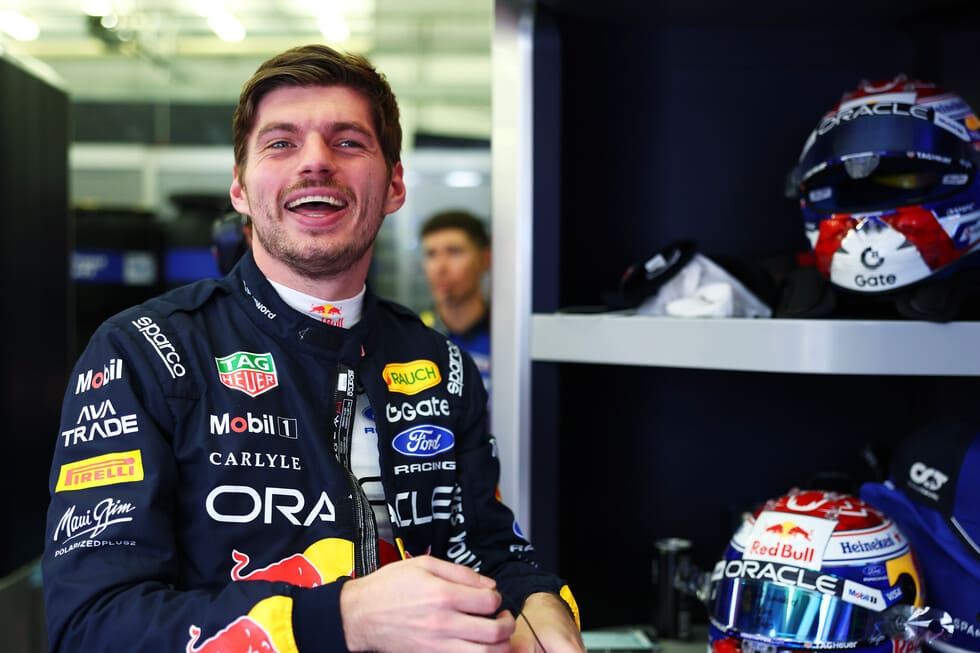
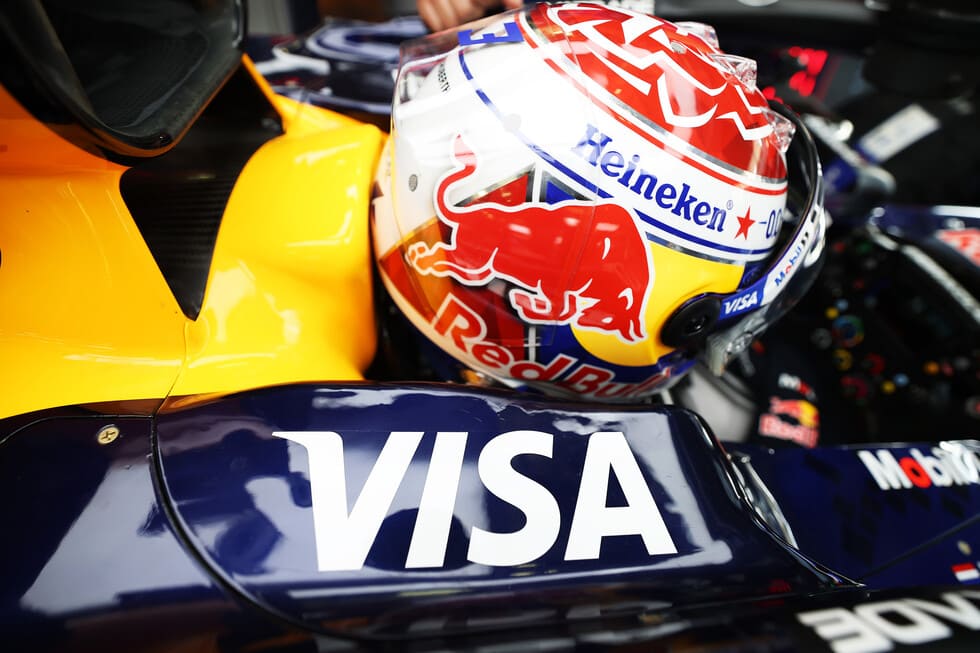
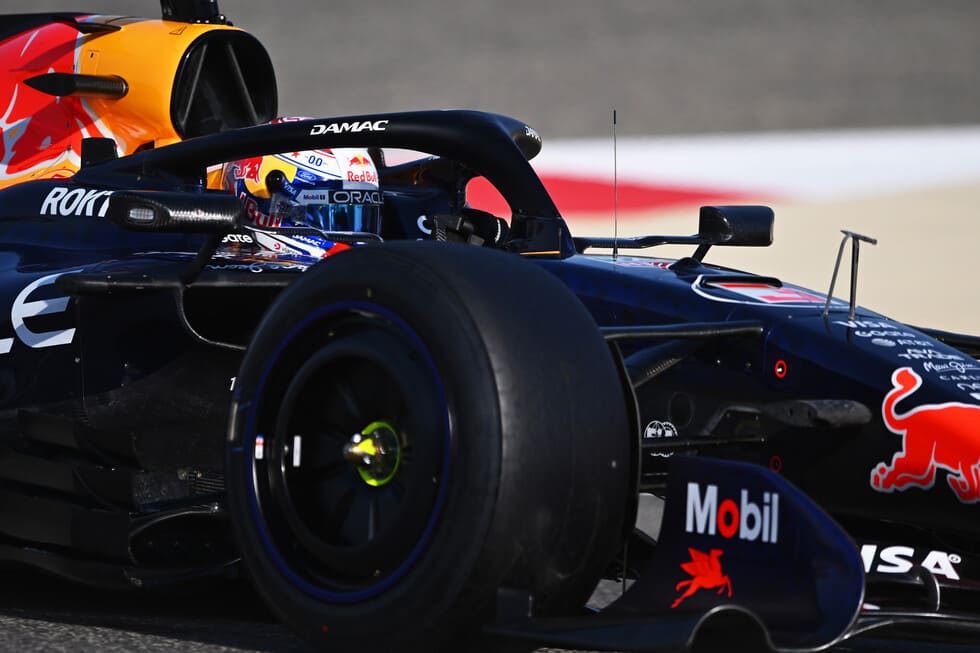
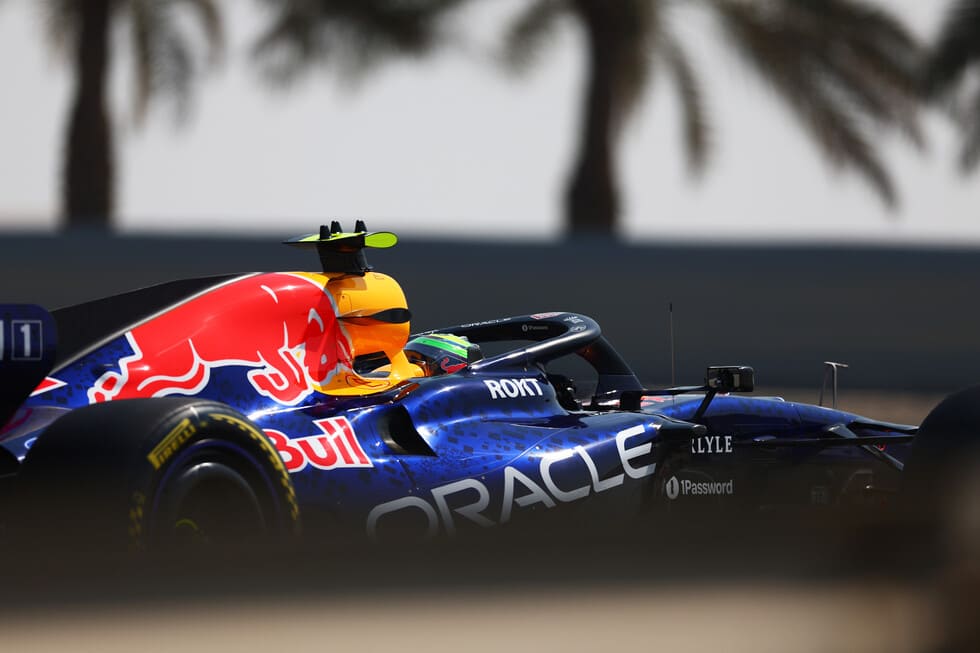
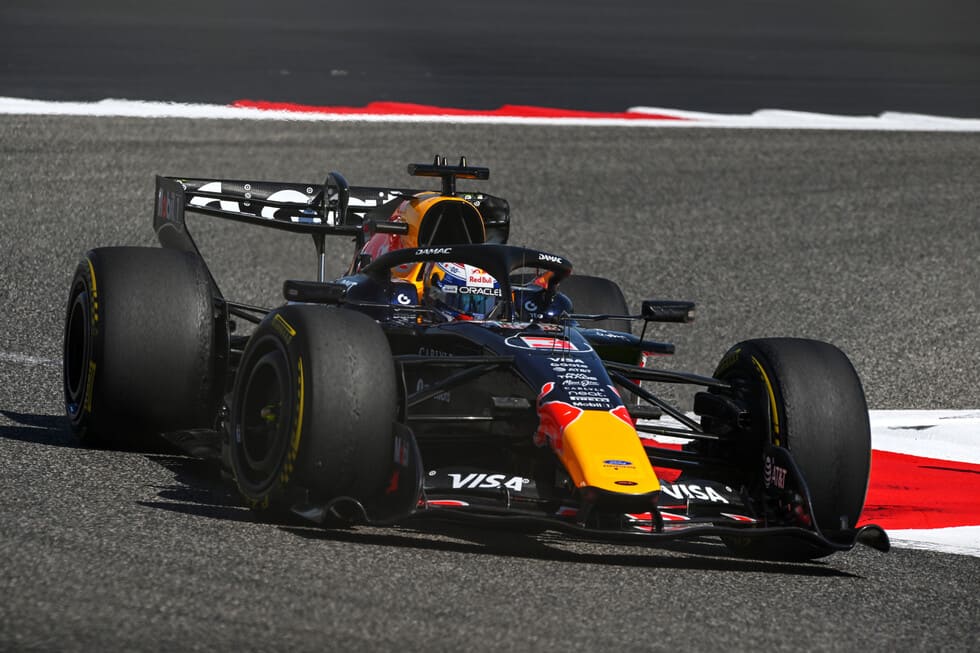
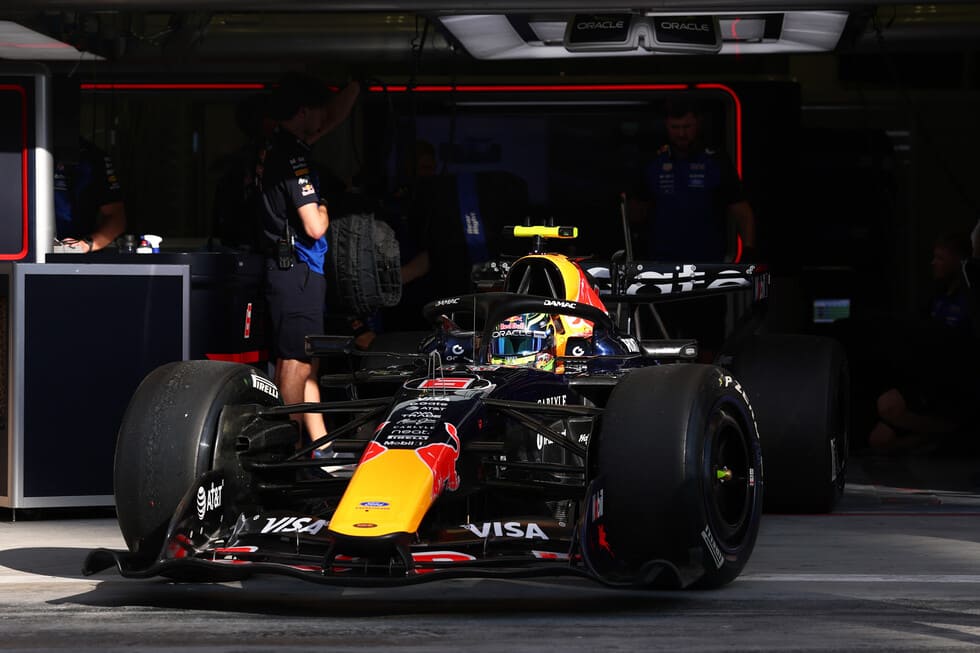
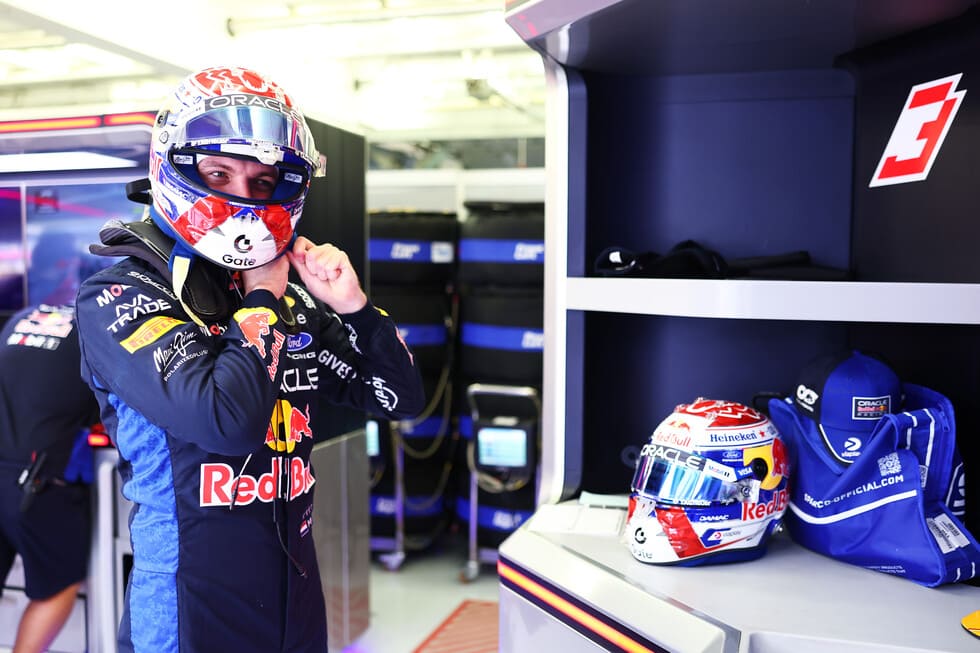
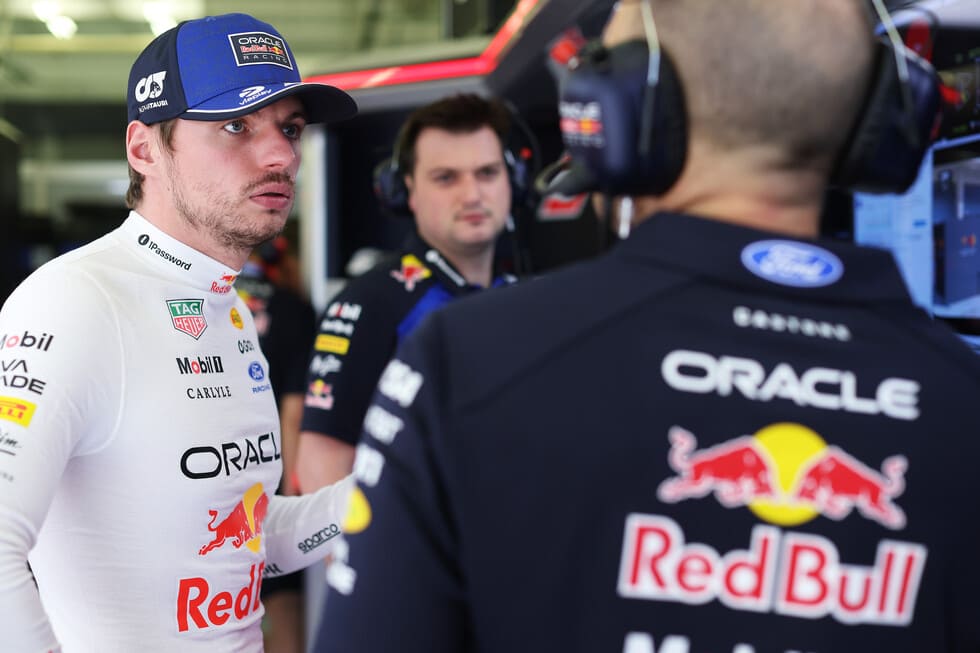
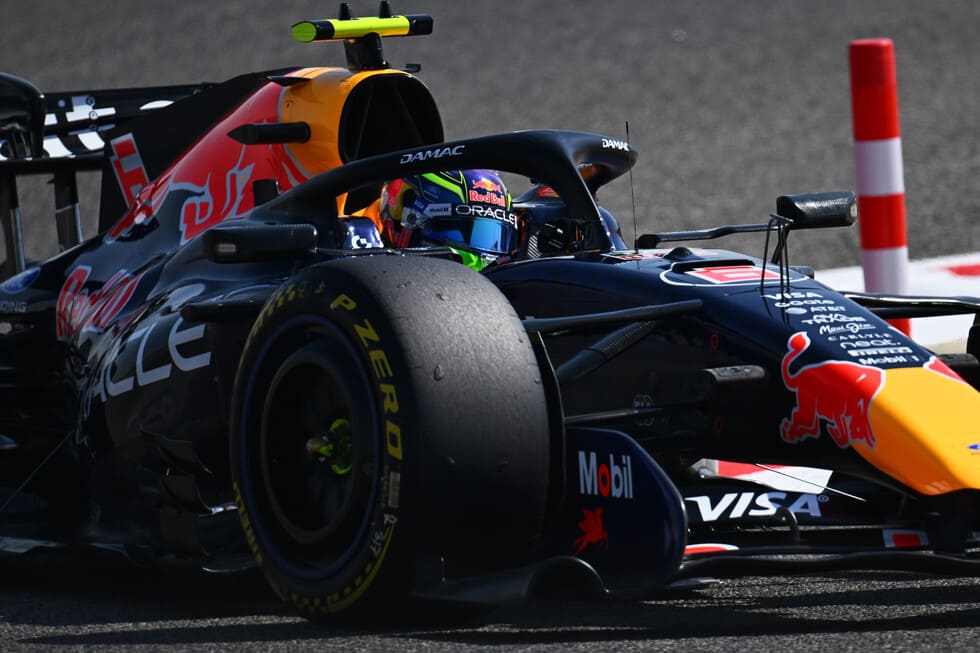
Before becoming a full factory team, Red Bull already had a presence in Formula 1 as a sponsor. Their official entry in 2005 marked the beginning of one of the most successful modern eras in the sport. Initial progress was steady, but from 2009 onwards the team transformed into a dominant force. Between 2010 and 2013, Red Bull secured four consecutive drivers’ and constructors’ titles, with Sebastian Vettel becoming the youngest four-time world champion. After a brief downturn, the team returned to the top with a new superstar: Max Verstappen.
2025
A difficult start to the season leads to a major leadership change, with Christian Horner departing and Laurent Mekies taking over as Team Principal. Verstappen sparks a late resurgence by winning six of the final nine races, but narrowly misses out on the drivers’ title as the team finishes third overall once again.
2024
Verstappen dominates the early part of the season with seven wins from the first ten races, before a winless second half. Even so, he secures his fourth consecutive world title with 437 points. Sergio Perez struggles for consistency, and Red Bull slip to third in the constructors’ standings. The year is further marked by Adrian Newey’s departure to Aston Martin.
2023
The RB19 proves almost unbeatable, with Red Bull winning all but one race across the season. Verstappen leads a historic campaign that delivers a second straight championship double and the team’s first-ever one-two finish in the drivers’ standings.
2022
After overcoming early pressure from Ferrari, Red Bull assert control of the season. Verstappen claims a record-breaking 15 wins and retains his drivers’ title, while the team secures their first constructors’ championship since 2013. The season is slightly overshadowed by a financial penalty related to the 2021 budget cap breach.
2021
Red Bull return to the top of the drivers’ championship after an intense and controversial season-long duel with Mercedes. Verstappen wins 11 races to take the title, while Sergio Perez plays a crucial supporting role. The constructors’ fight goes down to the wire.
2020
The team finish a distant second, comfortably ahead of the midfield but unable to regularly challenge Mercedes. Verstappen delivers two wins and nine podiums, while Alex Albon struggles and is replaced for the following season.
2019
The switch from Renault to Honda power proves highly successful. Verstappen scores four victories, and the team ends the season with a points total similar to 2018. Pierre Gasly is replaced mid-season by rookie Alex Albon, and late progress fuels optimism for 2020.
2018
Reliability and performance issues with Renault engines limit Red Bull’s title chances. Despite race wins for Ricciardo and Verstappen, the team finishes a lonely third in the standings, already looking ahead to the Honda partnership.
2017
Unable to match Mercedes and Ferrari over a full season, Red Bull finish third overall. Reliability problems persist, but Ricciardo and Verstappen still deliver three race victories between them.
2016
A strong chassis and improved power unit allow Red Bull to re-emerge as Mercedes’ main challengers. Verstappen makes headlines by winning on his debut for the team after a mid-season promotion from Toro Rosso, while Ricciardo also takes a victory.
2015
Power unit problems return, straining the relationship with Renault and pushing Red Bull down the order. Ricciardo and new team-mate Daniil Kvyat manage only three podiums, resulting in fourth place in the standings.
2014
After a disastrous pre-season, Red Bull recover to finish second behind a dominant Mercedes. Daniel Ricciardo claims three wins and outperforms Vettel, who departs for Ferrari at the end of the year.
2013
The RB9 becomes the benchmark after mid-season developments, allowing Red Bull to surge ahead and secure their fourth consecutive constructors’ championship, clinched in India.
2012
Regulation changes reduce the team’s advantage, but Red Bull remain at the forefront of innovation. Mark Webber wins twice, while Vettel’s strong finish seals a third straight constructors’ title.
2011
One of the most dominant seasons in F1 history. Vettel and the RB7 are virtually untouchable, winning both championships with several races to spare.
2010
Despite reliability issues and missed opportunities early on, Red Bull’s pace eventually prevails. The team wins both titles for the first time, even amid internal tension between Vettel and Webber.
2009
The RB5 marks Red Bull’s breakthrough year. Vettel secures the team’s first pole position and victory, followed by five more wins. Red Bull finish runner-up in both championships.
2008
Progress stalls as the team struggle to extract performance from their Renault-powered car. A podium in Canada proves the highlight of a season that ends with seventh overall.
2007
Reliability issues plague the early part of the season, but steady development improves results. A podium at the European Grand Prix delivers the team’s best finish to date.
2006
Consistency proves elusive in Red Bull’s second season. David Coulthard earns the team’s first podium in Monaco, but overall results fall short of expectations.
2005
Red Bull’s debut season following the purchase of Jaguar Racing exceeds expectations. The team score more points in their opening races than Jaguar achieved the previous year and finish seventh in the constructors’ standings.