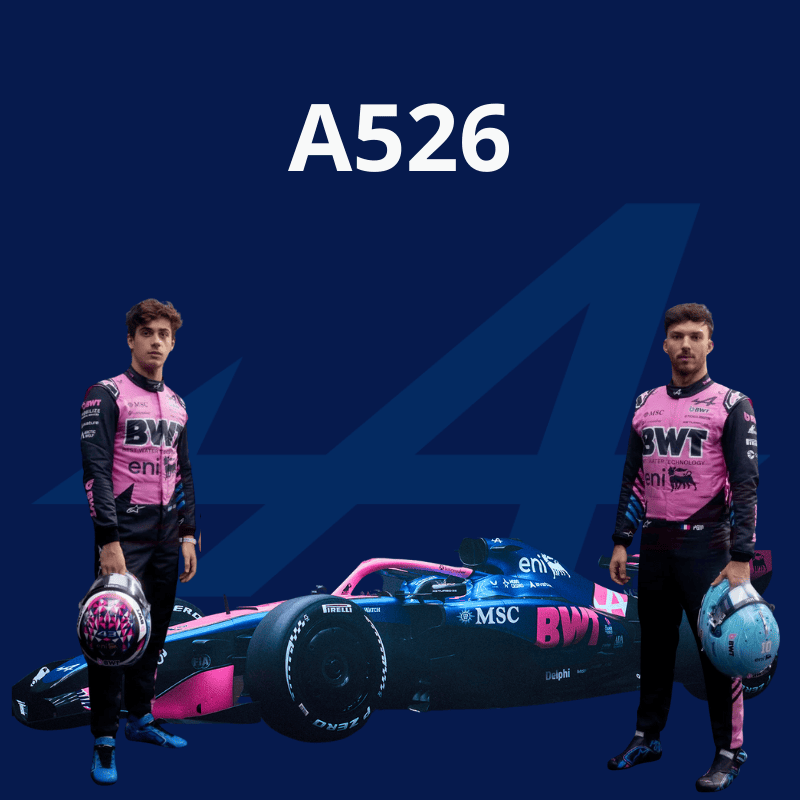
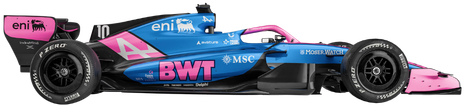
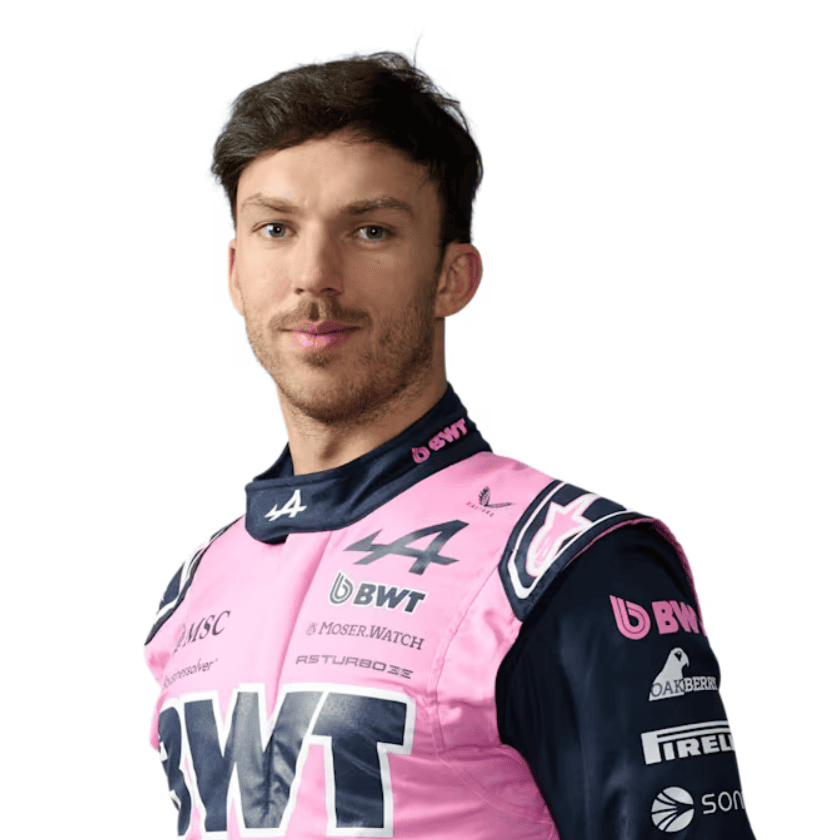
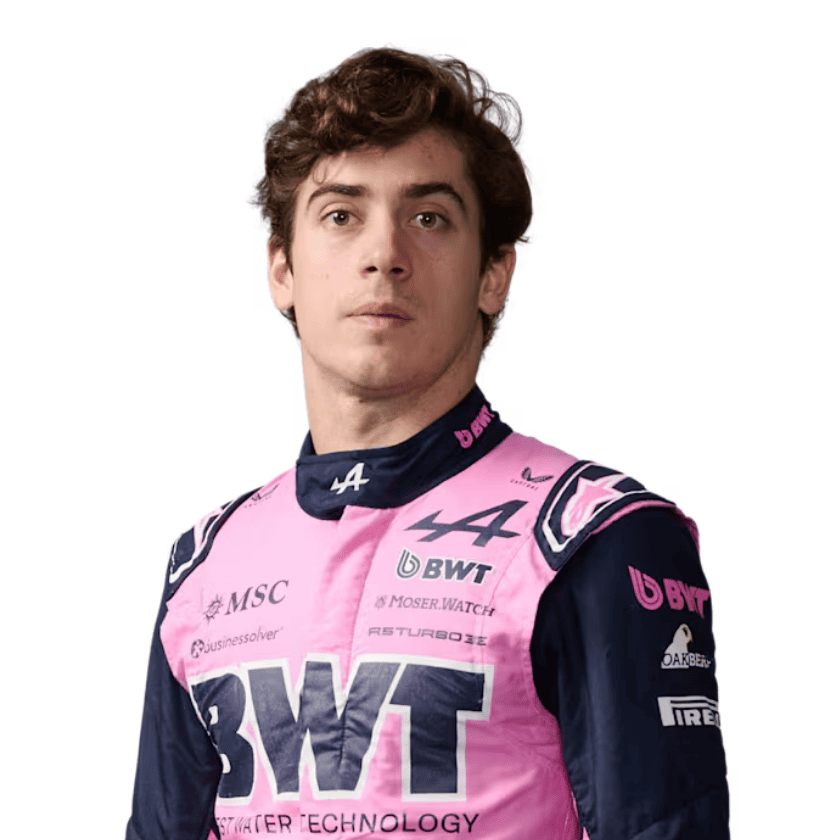
Alpine may be a relatively recent name in Formula 1, but it carries decades of motorsport heritage through Renault’s long-standing racing pedigree. The team’s rebrand in 2021 represented another milestone in Renault’s return to F1, a journey that began in 2016 with the acquisition of the former Lotus squad. With a Grand Prix victory already secured under the Alpine banner, the next logical objectives are consistent podiums and a genuine championship challenge.
2025
Mid-season upheaval sees Flavio Briatore take control following Oli Oakes’ departure. Despite several standout performances from Pierre Gasly, who scores all 22 of the team’s points, Alpine endure a difficult campaign and finish last in the standings. The team also confirms a switch to Mercedes power units starting in 2026.
2024
Another transitional year brings further management changes, with Flavio Briatore joining as an advisor and Oli Oakes replacing Bruno Famin as Team Principal. Early struggles gradually ease, and a surprise double podium for Esteban Ocon and Pierre Gasly in Brazil lifts Alpine to an unexpected sixth place in the final championship.
2023
A season marked by instability sees Alpine drop to sixth overall. Despite off-track changes, Ocon and Gasly remain closely matched on track, each claiming a podium finish during the year.
2022
Although the team fail to reach the podium, Alpine outperform rivals McLaren to secure fourth in the constructors’ standings. Reliability frustrations prompt Fernando Alonso to leave for Aston Martin, while Pierre Gasly is signed to partner Esteban Ocon in an all-French line-up for 2023.
2021
Alpine celebrate their first Formula 1 victory under the new name, with Esteban Ocon winning a dramatic Hungarian Grand Prix. Fernando Alonso plays a key supporting role and later adds another podium finish in Qatar.
2020
Three podium finishes mark Renault’s strongest season since returning as a works team, providing momentum ahead of the Alpine rebrand and Fernando Alonso’s return to Formula 1.
2019
Progress stalls as customer team McLaren leapfrog Renault in the standings, pushing them down to fifth overall. Daniel Ricciardo secures the team’s best result of the season with fourth place in Italy.
2018
The upward trajectory continues as the team establish themselves as the clear best of the rest behind the leading trio. While podiums remain out of reach, consistent top-five finishes and clear potential attract Daniel Ricciardo for the following season.
2017
Significant gains are made with the first chassis designed specifically around Renault power. A dramatic increase in points follows, and Carlos Sainz joins mid-season to strengthen the driver line-up alongside Nico Hülkenberg.
2016
Renault’s return as a full works team proves challenging. The R.S.16 struggles for competitiveness, resulting in limited points and a ninth-place finish in the constructors’ championship.
2015
The final season under the Lotus name sees improved form. The Mercedes-powered E23 scores regularly, with a podium finish in Belgium representing the team’s standout result.
2014
Performance drops sharply as the team struggle with reliability and pace in the new hybrid era. Limited points are scored, and the season ends with eighth place overall.
2013
A strong start sees Kimi Räikkönen win the season opener in Australia. Consistent pace throughout the year results in numerous podiums and a solid fourth-place finish in the constructors’ standings.
2012
The team officially adopts the Lotus name. Räikkönen and Romain Grosjean deliver regular podium finishes, with a memorable victory in Abu Dhabi providing the highlight of the season.